Pakistan's Crypto Revolution: New Laws, Penalties, and Licensing Revealed
Intelligence Bureau
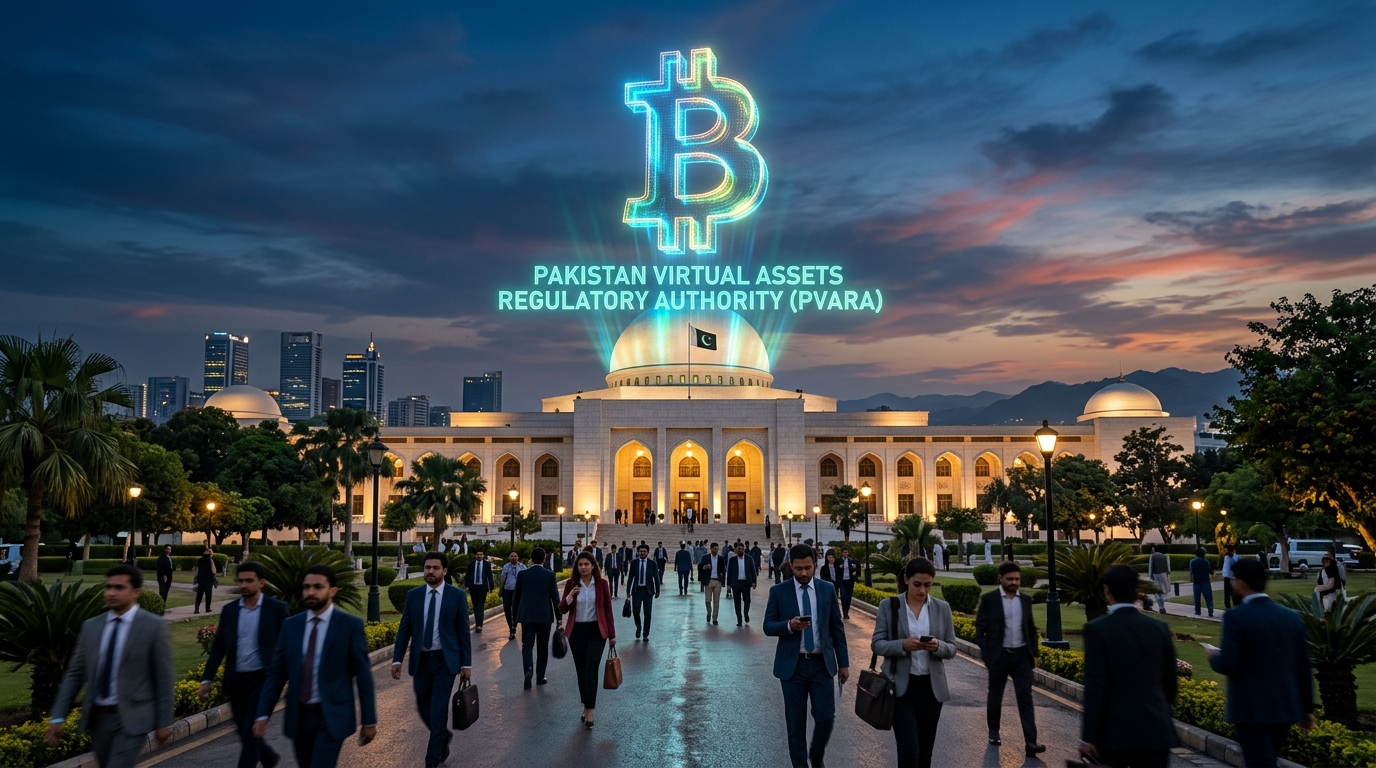
In a historic pivot that redefines the digital economy of South Asia, the Parliament of Pakistan has officially passed the Virtual Assets Act 2026. This landmark legislation effectively ends years of regulatory ambiguity, transitioning the country from a 2018 "crypto ban" to a fully regulated framework. The Act formally establishes the Pakistan Virtual Assets Regulatory Authority (PVARA) as a permanent federal body, granting it sweeping powers to license, monitor, and regulate the country's estimated 40 million active crypto users.
The legislation was fast-tracked through the Senate on February 27 and cleared the National Assembly on March 3, 2026, just days before a temporary presidential ordinance was set to expire. President Asif Ali Zardari’s final signature has cemented a framework that treats cryptocurrencies like Bitcoin and Ethereum as regulated assets rather than legal tender. This move is designed not only to attract foreign direct investment but to satisfy the stringent anti-money laundering (AML) requirements of the Financial Action Task Force (FATF).
For the first time, global giants like Binance and HTX have a clear legal pathway to operate within Pakistan. The Act introduces a phased licensing regime that requires all Virtual Asset Service Providers (VASPs) to secure official authorization, follow Sharia-compliant financial guidelines, and integrate directly with the State Bank of Pakistan’s banking rails.
🌍 GLOBAL MARKET IMPACT
The legalization of crypto in Pakistan—the world's 5th most populous nation—is a major signal to the Global South. Market sentiment has shifted from "cautious" to "highly optimistic," as the Act provides a blueprint for other developing economies looking to tap into blockchain for remittances and digital payments. In Asia, the move positions Pakistan as a potential crypto hub, competing with the UAE and Singapore for regional dominance.
Institutional reaction has been swift; global exchanges are already establishing local subsidiaries. In the US and Europe, analysts view this as a strategic win for Bitcoin adoption, as Pakistan has also signaled plans for a Strategic Bitcoin Reserve and dedicated energy for green mining operations.
🧠 ANALYST INSIGHT
Analysts view the Virtual Assets Act 2026 as a masterclass in "phased regulation." By creating "Virtual Asset Zones" and mandating Sharia-compliance, Pakistan is tailoring the crypto industry to fit its unique socio-economic fabric. This isn't just about trading; it’s about building national infrastructure. The inclusion of heavy criminal penalties (up to 5 years in prison) for unlicensed operators shows that the government is serious about "cleaning up" the market to maintain its standing with international financial watchdogs.
⚠️ RISK FACTORS
Regulatory Teeth: Unlicensed platforms face massive fines (PKR 50M) and prison time, which may initially cause retail panic as users migrate from unregulated P2P desks.
Compliance Costs: High capital requirements for licenses might squeeze out smaller local startups, favoring global giants like Binance.
Macro Stability: While the law is passed, the integration with the State Bank of Pakistan (SBP) is still in the "banking rail development" phase, meaning actual PKR-to-Crypto on-ramps may take months to fully stabilize.